Frame stiffness is measured as RA, and it is the one figure on a specification sheet that speaks directly to what reaches your arm. A stiffer frame returns more of the ball's energy — which is free power — and passes more of the impact back through the handle. A softer frame bends, absorbs, and gives some of that power back.
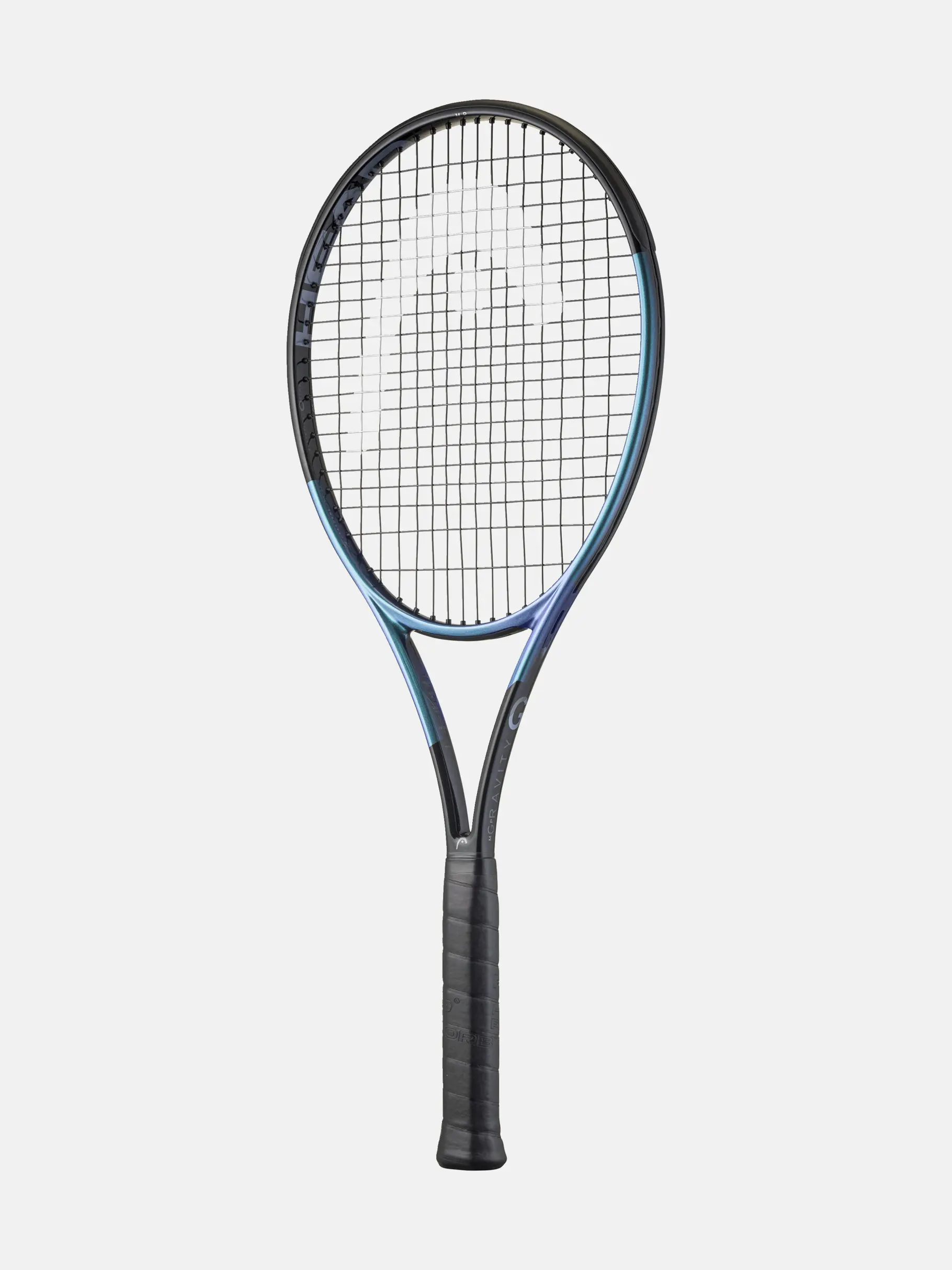
Of the racquets we hold a stiffness figure for, the range runs from RA 55 to RA 72 and the average sits at 65. Anything at 60 or below is genuinely soft. The softest frames in the catalogue: the Prince Phantom 100X at RA 55, the Wilson Clash 100 Pro v3 at 56, the Wilson Clash 100 v3 and Head Gravity MP 2025 at 57, the Head Gravity Pro at 59 and the Head Speed MP 2026 at 60.
Now the part most buyers skip: the strings matter more than the frame - never down estimate it. A full polyester bed in a soft frame is harsher than a multifilament in a stiff one. If your arm hurts, change the string before you change the racquet — it costs a tenth as much and it is the bigger of the two effects.
Tension is the third lever, and the cheapest of all. Every kilo you drop takes some shock out of the string bed. Our calculator proposes a starting number for your frame and playing style; with a sore arm, start at the lower end of what it suggests and work up rather than down.
One honest caveat: RA is measured on an unstrung frame. A string bed adds several points of effective stiffness, and a tight polyester adds more than a loose multifilament — which is why a soft frame strung tight can feel harsher than a stiffer frame strung low. The figure is a guide to the frame, not a promise about the setup.
